Smart Treatment for Dry Skin: Your Comprehensive Natural Care Guide
Smart treatment for dry skin involves a holistic approach combining proper hydration, a diet rich in omega-3 fatty acids and vitamin E, and the consistent application of natural moisturizers like Aloe Vera and honey. By addressing both environmental factors and internal nutrition, you can effectively soothe flakiness, reduce redness, and restore your skin’s natural, healthy glow.
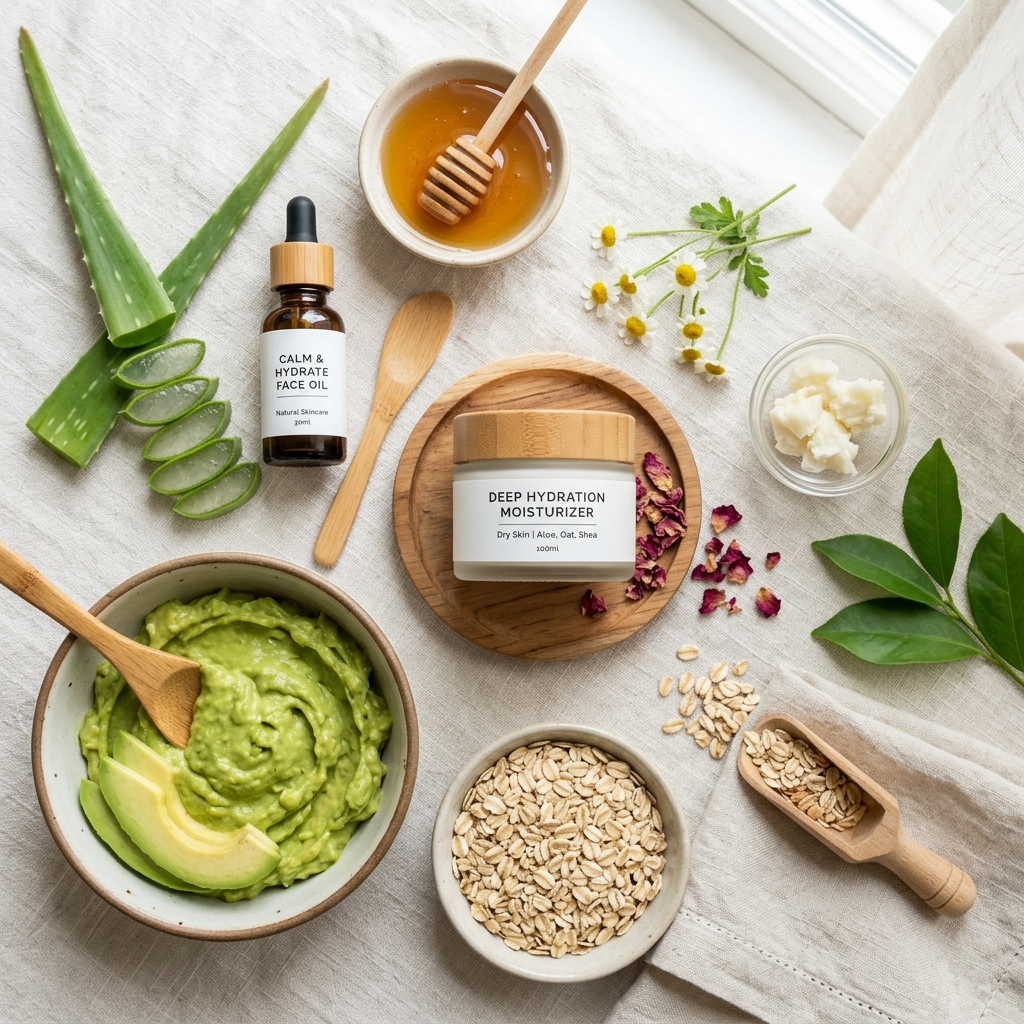
Undoubtedly, flaky and itchy skin isn’t easy to handle. It takes away all the charm of your face by causing redness and irritation. To take care of dry skin, numerous products are available in the market, but it’s hard to say how effective they truly are. So why not try out a natural smart treatment for dry skin that focuses on holistic health and lasting hydration?
How Diet and Nutrition Impact Skin Hydration
Eat healthy and incorporate rich sources of vitamin E, omega-3 oils, and vitamin B into your daily life. These essential nutrients are fundamental to any smart treatment for dry skin, as they help repair the skin’s barrier function. Also, include green leafy vegetables, dry fruits, berries, nuts, and fresh fruits in your meals. Drink plenty of water throughout the day. Remember that a few simple modifications in your diet can provide you with soft, silky, and resilient skin.
Proper hydration flushes out toxins and ensures your skin cells are plump and functional. Without sufficient water intake, even the most expensive topical creams will fail to resolve severe dryness. Focus on consuming water-rich foods like cucumbers and watermelon to supplement your daily fluid intake.
Establishing a Daily Skincare Regime
A nice skincare regime also provides excellent results in treating dry skin. Dry skin occurs due to the inactiveness of oil glands, which badly affects the elasticity of the skin. Therefore, moisturizing your skin at regular intervals is undoubtedly important for treating dry skin.
Apply a good quality moisturizer twice a day to hydrate your skin properly. Go for products containing natural extracts of Aloe Vera and honey to soothe your dry skin. Aloe Vera is known for its incredible calming properties, while honey acts as a natural humectant, drawing moisture into the skin and locking it there. Avoid harsh soaps or cleansers that strip your natural oils away. Instead, opt for gentle, non-foaming cleansers that respect the skin’s natural microbiome.
Protecting Skin from Environmental Factors
Many environmental factors like excessive exposure to the sun, harsh chemicals, and a cold, dry atmosphere also cause the skin to get dry. It is crucial to keep a check on these external factors to protect the skin from getting drier and more irritated. During the winter months, consider using a humidifier in your home to add moisture back into the air.
Furthermore, always wear a broad-spectrum sunscreen when heading outdoors, even on cloudy days. UV rays can significantly damage the skin barrier, leading to increased transepidermal water loss. Wearing protective clothing and limiting hot showers—which can melt away your skin’s protective lipid layer—are also essential steps in your daily defense against dryness.
Advanced Natural Remedies for Severe Dryness
For those struggling with extremely flaky or rough patches, incorporating plant-based oils can be highly beneficial. Oils such as jojoba, rosehip, and argan oil mimic the skin’s natural sebum, making them an excellent choice for a targeted smart treatment for dry skin. Gently massage a few drops of your chosen oil into damp skin immediately after showering to lock in maximum moisture.
Another effective strategy is the use of oatmeal baths. Colloidal oatmeal binds to your skin and forms a protective barrier, holding in moisture and easing inflammation. It has been used for centuries to treat various dry skin conditions, including eczema and psoriasis, providing immediate, soothing relief.
Moreover, consistent exfoliation plays a key role, but it must be done carefully. Using a mild, chemical exfoliant like lactic acid can help remove dead, flaky skin cells without the harsh, abrasive action of physical scrubs. Lactic acid is particularly favored because it not only exfoliates but also hydrates the skin simultaneously, making it a perfect component of a smart treatment for dry skin.
Finally, consider the fabric of your clothing. Rough fabrics like wool or synthetic materials can irritate dry skin. Opt for soft, breathable fabrics like cotton or silk, especially for garments that sit directly against your skin. This simple change can significantly reduce friction and further irritation, allowing your skin to heal and regain its natural softness.
Frequently Asked Questions About Dry Skin Care
What are the best natural remedies for dry skin?
The best natural remedies include applying Aloe Vera, honey, and natural oils like coconut or olive oil to lock in moisture and soothe the skin.
How does diet affect skin hydration?
A diet rich in omega-3 fatty acids, vitamin E, and hydration (plenty of water) significantly improves skin elasticity and moisture levels from the inside out.